In a world of online orders and deliveries, customers now frequently track their packages from the moment the order is entered to the moment it arrives on their doorstep or loading dock. Each brand will develop a way to communicate the delivery process in order to keep their customers informed. Stages of delivery may include several key terms: processing, packaging, shipping, en route, and arriving.
For most customers, the phase that matters most is when a package transitions from the preliminary processing and packing states to en route. At the “en route” stage, a package has left its origin and is actively on the way to the customer, showing that the delivery is in progress and approaching its destination.
However, many brands use the term ‘en route’ to mean several different things, indicating a wide range of expectations or timelines regarding package delivery. Today, we’re focusing on the meaning of en route and what your customers expect to see when their item is at this point in the delivery stage.
What Does En Route Mean in Shipping and Delivery?
En route is a broad term that encompasses a large part of the last-mile delivery process. Some companies use it to mean that a customer’s delivery vehicle is on the final leg of the journey and around the corner, while others simply show the ‘en route’ indicator when a package first enters the city limits of the destination. En route could mean that a package is about to arrive or it may pass through several more carriers and checkpoints before arrival.
Customers typically assume that en route relates to last-mile delivery, indicating that their package is in the hands of the last carrier and on its way to their door. In contrast, companies typically see en route as meaning that the package is exactly that: being routed. It is important for companies to clearly communicate the meaning of en route, to better manage customer expectations.
FAQs
- How do real-time updates improve en route delivery visibility?
Real-time tracking gives customers mile-by-mile confidence that their package is moving along towards its destination. It helps them know exactly when it will arrive on their doorstep, or when they need to be home if they are receiving a delivery in person. In case of unexpected delays, clear delivery visibility gives customers confidence that they haven’t been forgotten and informs them of a new delivery timeframe.
- En route vs out for delivery: what’s the difference?
The difference has to do with the stage of the package along the delivery continuum. Although items labeled ‘en route’ can be at several different distance points from their final destination (including just leaving the warehouse), those that are ‘out for delivery’ are at their final stage, on a local delivery truck, and are about to be delivered that day. Recipients usually begin receiving frequent, often live updates about their item’s status once it enters the ‘out for delivery’ window.
- Can en route deliveries pass through multiple carriers or hubs?
Yes, depending on the distance and complexity of the shipment, an ‘en route’ package can transfer through several carriers and hubs. However, in these multistage deliveries, the package is usually referred to simply as ‘shipping,’ until it enters the mid to late stage of its journey, when it assumes the ‘en route’ label.
- How do customers track a package once it is en route?
As soon as their shipping label is generated, customers receive a tracking link that enables them to follow their package at every stop along the route to their front door. As the package gets closer, this tracking link will include more immediate, real-time information about the location of the package and its precise delivery time.
- What delivery updates should customers expect during the en route stage?
Packages are scanned at every stop, giving a customers a full picture of the route their package is taking. Through the tracking link, customers can see exactly how long their item remains at each transition point. In the case of severe weather or other unexpected occurrence, customers can get real-time updates on revised delivery schedules and expected arrival.
Other Delivery Status Terms Similar to En Route
Of course, not all brands use the same terminology. Some use a more colloquial way to say that a package is in the last-mile stage of delivery.
For example, ‘on the way’ and ‘out for delivery’ are often used to indicate that a package is in the neighborhood and may arrive within the day. Papa John’s uses ‘delivering’ to indicate that a pizza has left the restaurant and is on the road. Some brands separate ‘shipping’ (long distances) from ‘en route’ (local packages), while some use ‘shipping’ to reflect the entire journey from origin to the customer’s door.
When Does ‘En Route’ Start, and Where Does It End?
Where does it start, and where does it end? En route, in essence, means that there is a truck that is routed toward your customer. However, the practical meaning of en route can change depending on where the customer lives and where the package was ordered from. The route itself might stop through multiple mailing facilities across the nation, or it might encompass only the last truck route in the customer’s neighborhood.
Where En Route Starts
- En route starts when the package is loaded onto a truck that is headed toward the customer, either directly or indirectly.
- The farther away the warehouse is from the customer, the more likely it is that a company will differentiate between shipping and en route, with en route meaning that the package has at least transferred to local carriers in the customer’s home city. In this context, shipping indicates transport in a long-haul trailer or even air flight.
- Nearby companies are more likely to indicate a product is en route immediately after it leaves the store or warehouse.
- Distant companies may indicate that en route begins during the last-mile phase of delivery, when a final route is charted.
- However, some companies will use the en route status as soon as a product leaves their warehouse, no matter the distance it will travel.
The Stop
- En route stops at the customer’s door. This is when the final route has led to a successful delivery. The item has either been left on the customer’s porch or handed directly to someone at the door.
- Some brands transition from ‘en route’ to ‘arriving’ for the last block or two as the truck approaches a customer’s door. This allows customers to prepare to retrieve their package. The ‘arriving’ status transition is more common for deliveries where the customer may want to meet the driver at the door, such as high-value items or hot food.

What Determines When Something is En Route or Out for Delivery
| Factor | En Route | Out for Delivery |
| Delivery stage | Mid- to late-delivery phase | Final delivery stage |
| Location | May still be moving between hubs | On local delivery truck |
| Delivery timing | Hours or days remaining | Same-day delivery |
| Tracking updates | Periodic updates | Frequent or live updates |
How to See Where Your Package Really Is
One thing that modern customers crave is real-time updates on the location of their package. They want to know when it was sent, when it was last seen, and get an idea of whether it will arrive on time. In an age of supply chain interruptions and porch pirates, package tracking is more important than ever.
Fortunately, companies have a growing set of tools available to provide real-time tracking and updates so customers can always get a recent snapshot of their package’s location.
Real-Time Tracking for En Route Deliveries
Real-time tracking allows businesses to keep close tabs on every package, and to share those insights with customers. It also lets customers keep a close eye on where their package is heading while anticipating the time until its arrival. Several key logistical elements must all come together to make real-time tracking possible:
A Tracking Link is Shared
- When a shipping label is created, a tracking link is shared with the customer. Through this link, they can follow their package’s journey from the point of origin to their front door, one stop at a time.
- For local deliveries, this may simply be an alert that their order is being processed, then loaded, and from which store.
Packages Scanned at Every Exchange
- As a package makes its journey, it is scanned at every stop or exchange. When it reaches a new city or enters a new truck, a new scan is entered into the system.
- This creates a record of where the package is traveling, how quickly it’s moving, and where it has already been.
Last Seen Time and Location
- Customers can use their tracking link to view updates; each update contains information from the last scans.
- This gives customers confidence that their package is not lost and is traveling in the right direction.
En Route Updates and GPS Tracking
- Once a package reaches en-route status within the customer’s city limits, updates become more frequent.
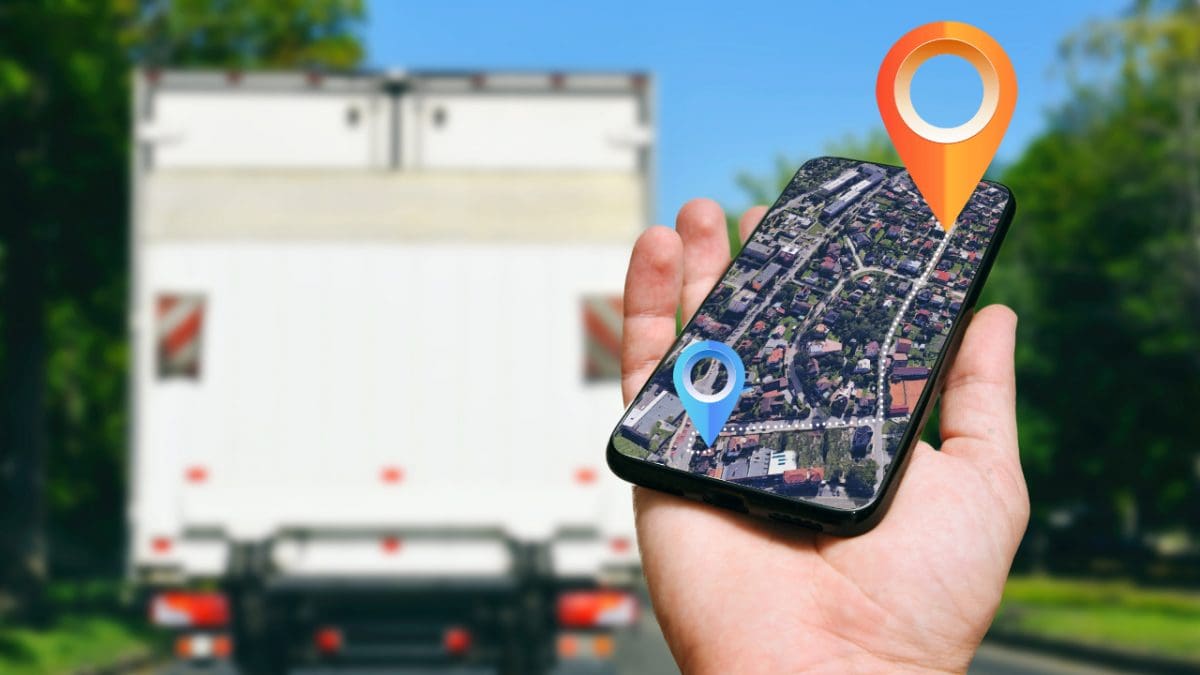
- Some last-mile providers include a live GPS location during the final delivery route, or within a few stops of the delivery.
- This provides customers with a map and live updates on how close their delivery is from arrival.
Photo Finish
- Many delivery services have begun adding the finishing touch: A photo of the package delivered on the porch or tucked out of sight in the carport to confirm delivery. This is particularly useful when the customer is not home to receive the package, or if no-contact delivery has been requested.
Why En Route Tracking Improves Customer Satisfaction
Real-time tracking and updates are crucial for customer satisfaction.
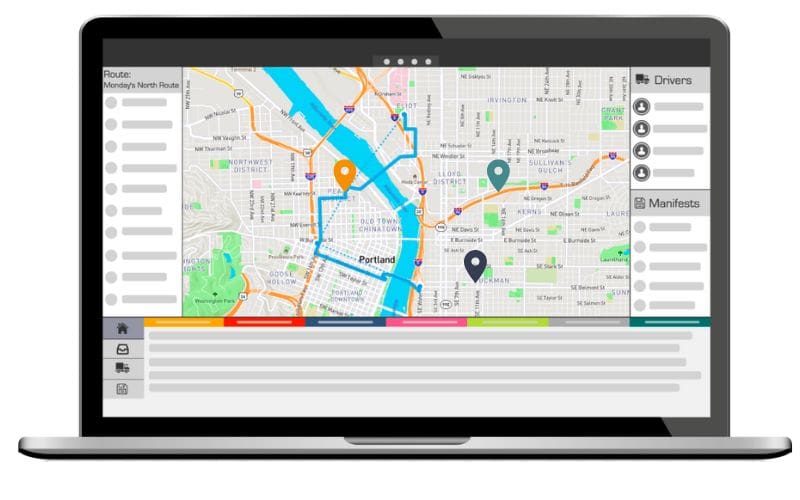
Across the board, customers prefer services that provide precise, real-time tracking of their deliveries, compared to the uncertainty of waiting for an estimated arrival window. There are several important reasons for this. Real-time tracking and updates provide customers with the assurance that their package is coming and that it’s been seen recently. From important and costly orders to anticipating the arrival of dinner, customers want to see their package at every stage of the delivery process.
But there are also other elements that play a role in real-time delivery updates and customer satisfaction.
Availability for the Delivery Window
- Depending on what is being delivered, your customers may want to meet their package at the door. In fact, it might be necessary for the package to be handed off to a resident (or business employee) rather than left unattended on the porch. Real-time tracking can tell customers when their package is en route and the time it should arrive, so they know when to make themselves available.
- For customers who aren’t home for their deliveries, real-time tracking can let them know to expect a package on the porch when they return; including a photo of the successful delivery is especially helpful.
Early and On-Time Arrival
- Real-time tracking and updates provide customers with assurance and confidence. In many cases, live tracking information can impress customers when they see that only a few hours pass between scans that are many miles and cities apart; it can be an easy way to demonstrate the efficiency and speed of your delivery process.
Expectation Management for Delays
- Of course, en route tracking also helps customers manage their expectations without worrying about lost packages when there are unexpected delays. If bad weather, traffic, or other setbacks occur, timely and regular updates help customers stay informed and wait patiently.
Worry-Free Anticipation
- Finally, real-time tracking allows customers to anticipate their package with positivity. If they are eager for their order to arrive, customers can check the tracking and rest assured that their package is still on its way. Counting down the days or hours to a package’s arrival, once it is en route, provides necessary intel while rewarding enthusiasm.
How Real-Time Tracking and Updates Can Create a Competitive Edge
Over 88% of retailers offer some form of package tracking, but only 43% offer real-time tracking updates. This creates an opportunity. With 69% consumers seeking to track their packages, the remaining competitors who do not yet have real-time tracking are falling behind. Even within the group that has tracking, the quality of that tracking makes a difference.
Customers prefer package tracking with more frequent updates, and far prefer tracking that offers a live map for their en route last-mile delivery experience. If your competitors are not yet offering granular and rapid package tracking updates, this is your opportunity to gain the competitive edge with a more complete and satisfying customer experience from every order.
Brand Successfully Providing Tracking and Updates
- Doordash
- Doordash and other tracking apps offer a combination of stage-based tracking and a live map following the delivery driver’s en route vehicle.
- Home Depot
- Whether ordering from a nearby store or shipping form a distant warehouse, Home Depot offers a three-point delivery update interface
- eBay
- eBay uses imported carrier data to provide a four-point delivery tracking and more specific scan-by-scan order tracking and updates. It also uses “out for delivery” instead of ‘en route’ in tracking terminology.
- Walmart
- Similar to Home Depot, Walmart will ship you orders from a local store or any warehouse in the country. They offer a four-part update system including “order placed”, “processing”, “shipped” and “delivered”.
How to Add Real-Time Tracking to Your Delivery Services
If you manage a brand that ships either locally, nationally, or across the globe, order tracking and updates are essential. They provide transparency and positive feedback to your customers, whether they are waiting a few hours or even a few weeks for their shipment. From the moment you receive their order until their package is ‘en route’ to their front door, real-time tracking and updates will serve as a connection between customers and their packages.
You can add real-time tracking to your delivery service by integrating a platform that transforms your own internal tracking process into a welcoming customer dashboard. You are likely already scanning packages at each depot and exchange point and alerting your team as packages transition from one stage of delivery to the next. If not, then you are working with a carrier like UPS or USPS who take care of these stages of delivery for you. All you need is a platform like Elite EXTRA Routing & Dispatch to provide customers with a dashboard that gives them insight on your progress.
Let Your Customers Know When Their Deliveries are En Route
Whether you’re already tracking your packages or plan to start doing so soon, get an edge on the competition by adding real-time updates to let your customers know where their package is when en route. With Elite EXTRA Routing & Dispatch, you can hone your last-mile performance while impressing your clients.
Learn how you can add real-time tracking and updates to your deliveries with Elite EXTRA’s last mile delivery software.
Sources
https://www.insiderintelligence.com
https://startupsmagazine.co.uk/article-importance-shipment-tracking-customer-experience
https://www.linkedin.com/pulse/4-ways-real-time-delivery-tracking-makes-difference-your-mark-taylor